
Letting go after a painful relationship can sometimes feel less like freedom and more like losing part of yourself. While healing is often described as moving on, the psychological process is usually far more complex. In my earlier MSN article, I introduced the idea that coping and healing are not the same thing. Since writing that article, I’ve found myself thinking more deeply about why this process of healing can feel so difficult. In this article, I want to revisit the idea of “healing” and think about what happens when parts of ourselves—our hopes, longings, dependencies, and sense of identity—become organized around another person, and why reclaiming those parts can feel so profoundly difficult.

Why does creating space from a painful relationship sometimes feel less like freedom and more like loss? Why does letting go of old coping patterns feel, for some people, almost like abandoning themselves?
Increasingly, I’ve come to believe that the answer may lie in something deeper: that certain relationships become places where parts of ourselves—our hopes, longings, dependencies, and even aspects of our identity—come to live and become organized. And if that is true, then healing may involve much more than simply ending a painful dynamic. It may require reclaiming the parts of ourselves that became organized around another person and learning how to carry those parts within ourselves again.
In my earlier article, I wrote about how coping often begins as an emotional survival strategy. It becomes necessary to deploy when growing up in a family environment that consistently fails to recognize, protect, or make room for a child’s emotional reality and developing sense of self. Coping becomes a way to preserve attachment, maintain stability, and keep important relationships intact—even if doing so requires sacrificing parts of oneself.
I want to now explore how the shift from coping to healing can feel profoundly disorienting. Many people have organized their identities around accommodating the needs, emotions, and expectations of others. In doing so, they gradually lose contact with aspects of themselves that could not be expressed or safely carried within those relationships.
Why Letting Go Feels So Difficult
Letting go of certain relationships can feel psychologically difficult because the relationship may have become intertwined with a person’s identity. Increasingly, I’ve come to believe that creating space from a painful relationship can feel less like leaving another person and more like losing—or even abandoning—parts of ourselves that have become organized around and embedded within the relationship itself.
In my clinical work, I often see that people do not simply miss another person. They remain psychologically tied to who they were in the relationship, who they hoped to become through the relationship, and to the parts of themselves that had come to live there. As a result, letting go can feel less like ending a relationship and more like abandoning something essential within themselves.
In that sense, recovery is not merely about separation. It is also about reclamation—the gradual process of loosening an identity that became organized around accommodating another person’s needs and beginning the often unfamiliar task of discovering one’s own wishes, desires, capacities, and sense of self outside of the role that coping once required (1).
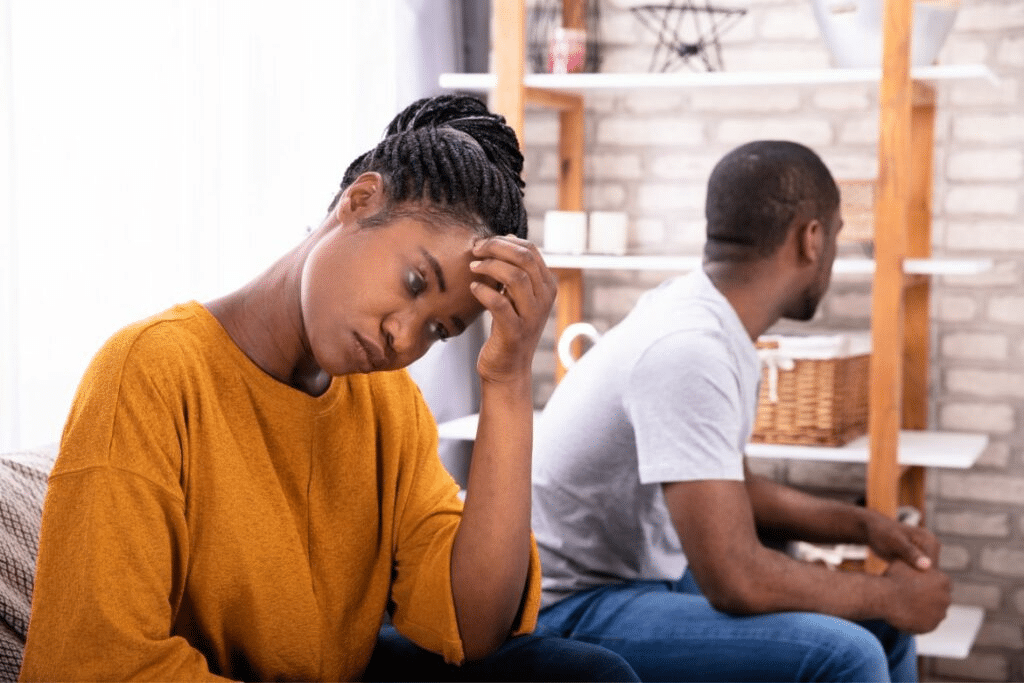
Letting Go After a Painful Relationship
We have to remember that, for many people, coping was not simply something they did—it became a way of being in relationships. Over time, it shaped how they experienced themselves and what they believed was necessary to remain connected to others.
Coping often required:
- Giving up parts of oneself
- Performing a role
- Organizing oneself around another person’s needs
- Maintaining connection through accommodation
When these patterns have organized someone’s relational world for years, there may be little opportunity to develop a robust sense of self outside of them. As a result, healing is not simply a matter of retrieving a preexisting, fully formed self that has been lost or hidden away. It often involves discovering and cultivating aspects of oneself that may never have had the opportunity to fully emerge in the first place.
The person is, perhaps for the first time, learning who they are when they no longer have to disappear, perform, or accommodate in order to remain connected.
This process may sound hopeful and straightforward—reclaim yourself, discover your desires, and cultivate your identity. If healing simply involved reconnecting with ourselves, many people would move forward more easily than they do. Instead, countless individuals remain tied to painful relationships and repetitive patterns, often returning to ways of relating that leave them dissatisfied and depleted.
Why? Because relinquishing old forms of coping can feel less like growth and more like giving up something essential to one’s sense of self and connection. This is why letting go after a painful relationship can produce grief even when a person understands that the relationship was harmful or unsustainable.
Why Is It Difficult to Let Go of a Relationship?
Again, in my MSN article, I discussed how letting go of coping can leave someone feeling unanchored. Since writing that piece, I’ve increasingly thought about this experience in another way. For example, creating space from a controlling relationship can feel less like leaving another person and more like losing contact with aspects of yourself that have become psychologically organized around the relationship.
For someone who has spent years anticipating another person’s needs, managing their emotions, or preserving the relationship at all costs, relinquishing those roles can create an unsettling sense of emptiness and disorientation.
In that earlier article, I wrote that when coping begins to give way to healing, “the energy once spent managing another person may return to the individual who lost themselves in the process.” I’ve continued thinking about that idea, and increasingly I find myself asking a related question: What exactly is it that returns?
The obvious answer is energy. Psychological space is no longer consumed by:
- Anticipating another person’s moods
- Managing conflict
- Trying to hold a relationship together
But I have come to believe that something more than energy returns. Often, what begins to return are aspects of the self that had become difficult to access while a person’s psychological life was organized around another person’s needs.
How Can I Handle My Own Emotions After a Relationship?
A person’s anger may return. Their capacity to say no may return. Their wishes, preferences, ambitions, and sense of direction may return. Even longings for comfort, support, dependency, and care may begin to emerge.
This can be a painful process because these emerging aspects of self often feel unfamiliar. A person who has spent years attending to another’s vulnerabilities may suddenly find themselves confronted by their own unmet needs, dependencies, and desires.
This is one reason healing can feel so disorienting. Recovery is making room and attempting to accept the gradual reappearance of aspects of yourself that had become difficult to recognize while your attention was organized around someone else’s needs.
Conclusion
When all is said and done, what returns, then, is not simply energy. What returns is the possibility of encountering parts of yourself that had long remained unrecognized, relinquished, or underdeveloped.
And in that sense, recovery is not only about moving on from another person—it is about reclaiming the parts of yourself that are now asking to be recognized as your own.
Dr. Anthony Mazzella is a psychoanalyst and psychodynamic psychotherapist specializing in narcissism, personality disorders, and relational dynamics.
Continue The Journey
If you or your loved one is in need of support, contact us today and take the first step toward understanding, growth, and emotional balance.
For further insights and support, explore:
The Narcissism Decoder Podcast: get a deeper understanding through expert discussions and real-life stories.
These resources can provide additional guidance as you navigate your journey toward healing and personal growth.
(1): Taylor SE, Stanton AL (2007). Coping resources, coping processes, and mental health. Annu Rev Clin Psychology. pubmed.ncbi.nlm.nih.gov/17716061/.

